Why Are Microdramas So Popular? Trends, Growth, and What’s Driving Demand
Microdramas didn’t appear out of nowhere.
They grew quickly because they fit how people already consume content. Short bursts. Frequent check-ins. Low commitment, high payoff.
If you only look at the format, it seems like just another short-form trend.
If you look at the behavior, it’s something more durable.
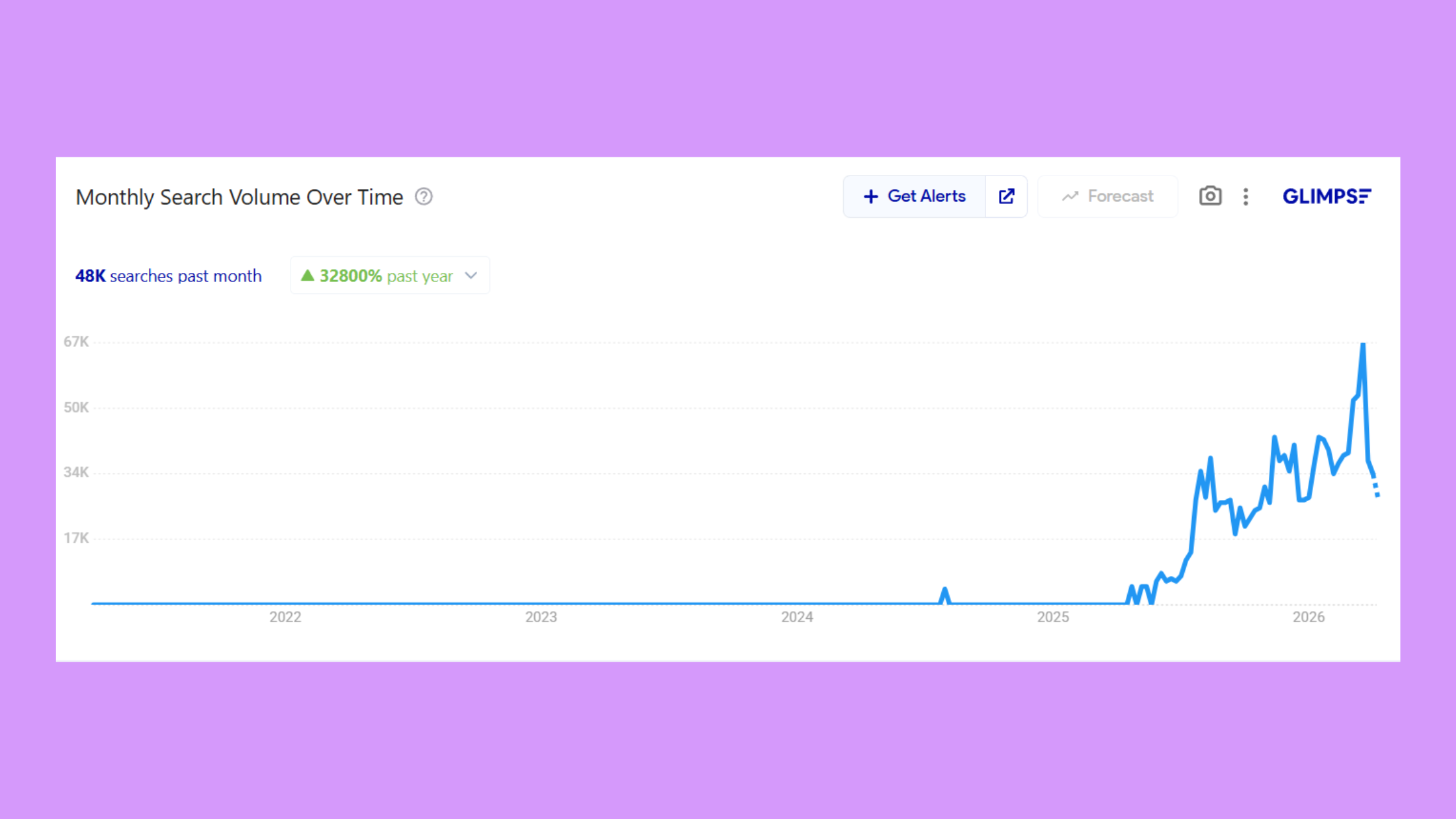
Why Microdramas Are Growing So Fast Right Now
A few structural shifts made microdramas possible.
Mobile viewing is now the default. Vertical video is normalized. Production is faster and cheaper than traditional TV. Distribution through social platforms feeds constant discovery.
That’s the infrastructure.
But infrastructure alone doesn’t create demand. Plenty of formats have the same advantages and don’t take off like this.
Microdrama works because it aligns with how people already use their phones: in short, repeat sessions throughout the day.
The Real Reason Microdramas Are So Addictive
The format lowers the barrier to entry.
You can start a story in seconds. No commitment. No setup.
But once you’re in, the structure pulls you forward. Episodes are short, but they’re connected. Each one builds on the last, and most end at a point that makes stopping feel unfinished.
That creates momentum.
Over time, the experience shifts from “I’ll watch one more” to “I want to see what happens next.”
That’s the difference between casual viewing and repeat behavior.
Why People Keep Coming Back to Microdramas
People don’t return because the episodes are short.
They return because the content becomes familiar.
You start recognizing characters. You get invested in specific pairings. You anticipate certain dynamics. Even small moments begin to feel meaningful because they build on what you’ve already seen.
This is where microdrama separates from most short-form content.
Instead of chasing novelty, it builds familiarity over time. And familiarity is what drives repeat engagement.
Microdrama vs Traditional TV: A Different Kind of Engagement
Traditional TV is built around longer sessions.
You sit down, you watch an episode or two, maybe more, and then you leave. Even when people binge, it’s still contained within a session.
Microdrama spreads that behavior out.
Instead of one long viewing block, you get multiple short sessions across the day. Each return is small, but they add up.
This creates a different relationship with the content. It becomes something you check in on, not just something you finish.
Why Microdramas Perform So Well on Mobile
Microdramas are designed specifically for mobile environments.
Short episodes fit into idle moments. Vertical framing matches how people hold their phones. Fast pacing keeps attention in environments full of distractions.
But the key advantage isn’t just convenience.
It’s continuity.
You can leave and come back without losing the thread. The story is always easy to pick back up, which makes repeat viewing feel natural.
What the Data Suggests About Microdrama Behavior
Usage patterns on major platforms reflect this behavior.
Viewers don’t just watch a few episodes and leave. They often consume large numbers of episodes in a single day and return multiple times.
That level of engagement isn’t typical for most short-form formats.
It points to something deeper than novelty. It points to a system that keeps people inside the experience.
Why Microdramas Aren’t Just a Trend
If you think microdramas are popular because they’re short, it looks like a trend that could fade.
Short-form formats come and go.
But if you look at what’s actually driving the growth, repeat viewing, familiarity, and low-friction entry, it’s harder to dismiss.
Those behaviors aren’t new. Microdrama just packages them in a way that fits current consumption patterns.
What This Means for the Future of Content
The takeaway isn’t that everything will become microdrama.
It’s that content is shifting toward models that prioritize return behavior over one-time consumption.
Formats that make it easy to start and compelling to come back will have an advantage.
Microdrama happens to do both.
That’s why it’s growing.